
When it comes to creating a strong, long‑lasting surface for your driveway, patio, garage, or outdoor living space, a concrete slab is one of the best investments you can make. Concrete slabs provide a reliable foundation that delivers strength, durability, and aesthetic appeal. Whether you are planning a new build or upgrading an existing surface, understanding what a concrete slab can do for your property will help you make better decisions and avoid costly problems in the future.
At Legendary Concrete Ashburn, we specialize in professionally designed and expertly installed concrete slabs. Our team focuses on quality, performance, and results that stand the test of time, ensuring your investment protects and enhances your property for years to come.
What Is a Concrete Slab?
A concrete slab is a flat, horizontal surface made from poured concrete that serves as a stable base for various structures. These slabs are typically used for driveways, walkways, patios, garage floors, pool decks, and even foundations for sheds or small buildings. Unlike loose or layered materials that can shift over time, a properly installed concrete slab offers consistent strength and stability. Concrete resists many of the issues that affect other materials, such as rot or insect damage, which makes it a long‑term solution for both residential and commercial properties.
The Benefits of Choosing a Concrete Slab
Concrete slabs have become the preferred foundation choice for homeowners and builders for many important reasons. One of the most significant advantages of a concrete slab is its ability to evenly distribute weight. This makes it highly suitable for areas that support heavy loads, such as vehicles parked in a garage or everyday traffic in an outdoor living space. Because of the way concrete cures and strengthens over time, it is much less likely to settle unevenly compared to gravel or compacted stone.
Concrete is also inherently resistant to many environmental challenges. After proper sealing, a slab can repel moisture and withstand seasonal changes without deteriorating, which helps protect against mold, frost damage, and erosion. Additionally, unlike wood or other organic materials, a concrete slab is not vulnerable to damage from pests such as termites. Once a slab is in place and cured correctly, maintenance is minimal. A simple routine of cleaning and resealing can help preserve the surface’s appearance and functionality for decades, making it an ideal choice for busy homeowners.
Common Uses of Concrete Slabs
Concrete slabs are often the foundation that makes outdoor projects both functional and visually appealing. A driveway poured from concrete creates a smooth, durable surface that resists stains and wear from daily use. Concrete walkways provide a firm, flat path that remains stable through weather changes and over time. When used for patios, concrete slabs offer a versatile base for seating areas, grills, outdoor kitchens, and fire features. With custom finishes such as stamping or staining, concrete can mimic the look of more expensive materials like stone or brick while maintaining the structural benefits of poured concrete.
In garages, a concrete slab provides a hard, clean surface that supports vehicles, tools, and heavy equipment. A well‑finished slab adds value and usability to a garage space by resisting oil stains and providing an easy‑to‑clean floor for hobbies or projects.
How the Slab Installation Process Works
Understanding the installation process helps you appreciate the work that goes into ensuring a reliable foundation. Before concrete is poured, the project area must be prepared by grading and compacting the ground. Proper site preparation ensures the slab will settle evenly and reduces the risk of future cracking. Next, forms are set to contain the concrete in the desired shape and size, while steel reinforcements are added for additional strength.
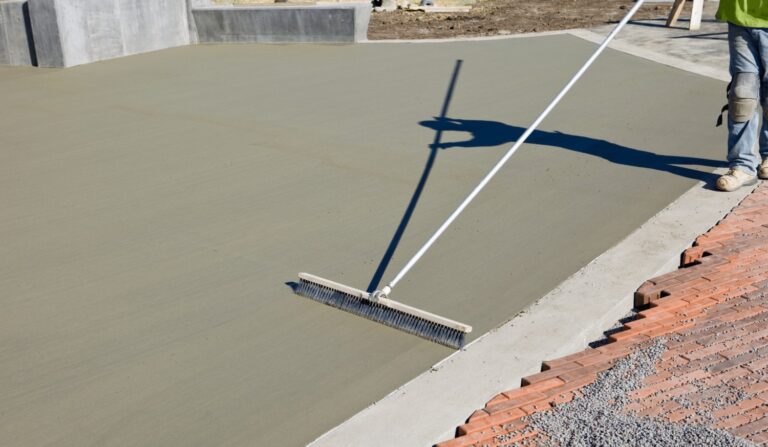
Once everything is in place, concrete is poured, leveled, and smoothed with specialized tools. The curing process is critically important; as concrete cures, it gradually achieves its full strength. After curing, the surface is cleaned and sealed to provide ongoing protection against wear and environmental elements. This careful process helps create a slab that performs best under daily use and environmental stress.
Cost Considerations for Concrete Slabs
The total cost of installing a concrete slab depends on several factors. These include the size and thickness of the slab, soil and site conditions, accessibility, reinforcement materials, finishing details, and local labor rates. While the upfront investment in a concrete slab may be higher than other surface options such as gravel or asphalt, the long‑term durability and low maintenance often result in better value over time.
Why Work With Legendary Concrete Ashburn
Installing a concrete slab is not just about pouring cement; it requires experience, precision, and an understanding of how materials behave under pressure and over time. At Legendary Concrete Ashburn, we combine local expertise with quality craftsmanship to ensure every slab we install meets the highest standards. From careful site preparation to expert finishing and sealing, our team is committed to delivering results that enhance your property’s value and performance..Concrete slabs are one of the smartest investments you can make for your home. They provide strength, stability, longevity, and visual appeal. When installed by professionals, a concrete slab can dramatically improve both the functionality and look of your property. Let us help you build something that lasts.